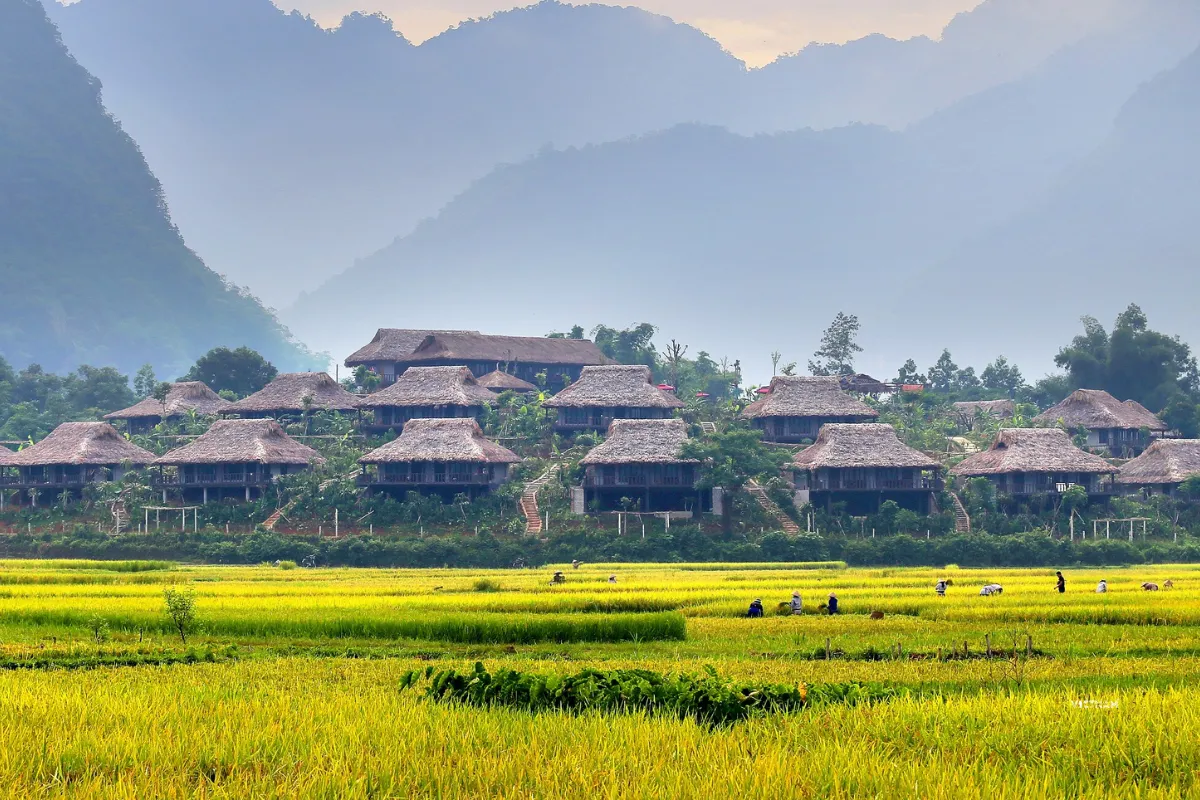
This Vietnam Travel Guide for first-time visitors offers a fast, beginner-friendly overview of Vietnam’s top destinations, local food, transportation, and travel essentials — helping you plan your first trip smoothly and confidently.
- Best time to visit Vietnam (weather & seasons)
- Top destinations for first-time visitors
- Essential travel tips & local culture

Vietnam Visa & Entry Requirements
Understanding Vietnam’s visa and entry rules is the first step in planning a smooth trip. Most international travelers need a visa to enter Vietnam, but the process is now simpler than ever thanks to the official Vietnam e-Visa system. Citizens from over 80 countries can apply online, choose their entry port, and receive approval within a few working days.
Vietnam also offers visa-free entry for travelers from certain countries, typically allowing stays from 14 to 45 days depending on nationality. Your passport must be valid for at least six months beyond your arrival date and contain at least one blank page. On arrival, immigration officers may ask for proof of onward travel or accommodation, so it’s wise to have these ready.
Rules can change, especially around visa duration and re-entry policies. To avoid last-minute issues, always check the latest updates before departure.
Best Time to Visit Vietnam

Vietnam’s long, narrow geography means the weather varies significantly by region, making timing an important factor in your trip. In general, the best time to visit Vietnam is from March to April and September to November, when temperatures are moderate and rainfall is lower across much of the country.
Northern Vietnam experiences four distinct seasons, with cool winters and hot, humid summers. Central Vietnam has its dry season from February to August, while southern Vietnam stays warm year-round with a clear dry season from December to April. If you’re planning beach holidays, cultural exploration, or trekking, choosing the right month can greatly enhance your experience.
Festivals like Tet (Vietnamese Lunar New Year) offer incredible cultural insight but also come with higher prices and crowded transport. Balancing weather, costs, and crowd levels is key to smart planning.
Is Vietnam Safe for Tourists?

Vietnam is widely considered a safe destination for tourists, including solo travelers and families. Violent crime is rare, and most visitors experience a welcoming, friendly atmosphere throughout the country. The most common issues travelers face are minor scams, pickpocketing in busy areas, and traffic-related risks.
To stay safe, keep valuables secure, avoid unlicensed taxis, and be cautious when crossing streets — especially in major cities like Hanoi and Ho Chi Minh City. Food hygiene is generally good, but choosing busy local eateries and drinking bottled water can help prevent stomach issues.
Healthcare facilities in major cities are reliable, and travel insurance is strongly recommended for peace of mind. With basic awareness and common sense, Vietnam offers a safe and rewarding travel experience.
Travel Costs in Vietnam

One of Vietnam’s biggest attractions is its excellent value for money. Compared to many destinations in Asia, Vietnam offers affordable accommodation, food, and transportation without sacrificing quality. Budget travelers can comfortably spend a modest daily amount, while mid-range and luxury options are also widely available.
Street food and local restaurants are inexpensive and delicious, while transport options like buses, trains, and domestic flights remain budget-friendly. Costs may rise during peak seasons or holidays, especially in popular destinations like Ha Long Bay, Hoi An, or Phu Quoc.
Your overall expenses will depend on your travel style, length of stay, and chosen activities. Planning ahead helps you balance comfort and cost effectively.
Getting Around Vietnam

Getting around Vietnam is relatively easy thanks to its diverse transportation network. Travelers can choose from domestic flights, long-distance trains, sleeper buses, taxis, ride-hailing apps, and motorbike rentals. Flights are ideal for covering long distances quickly, while trains offer scenic routes along the coast.
In cities, apps like Grab make taxis affordable and reliable. For short distances, walking is fine, though traffic awareness is essential. Renting a motorbike is popular but best suited for experienced riders.
Choosing the right transport depends on your route, budget, and comfort level.
Suggested Vietnam Itineraries
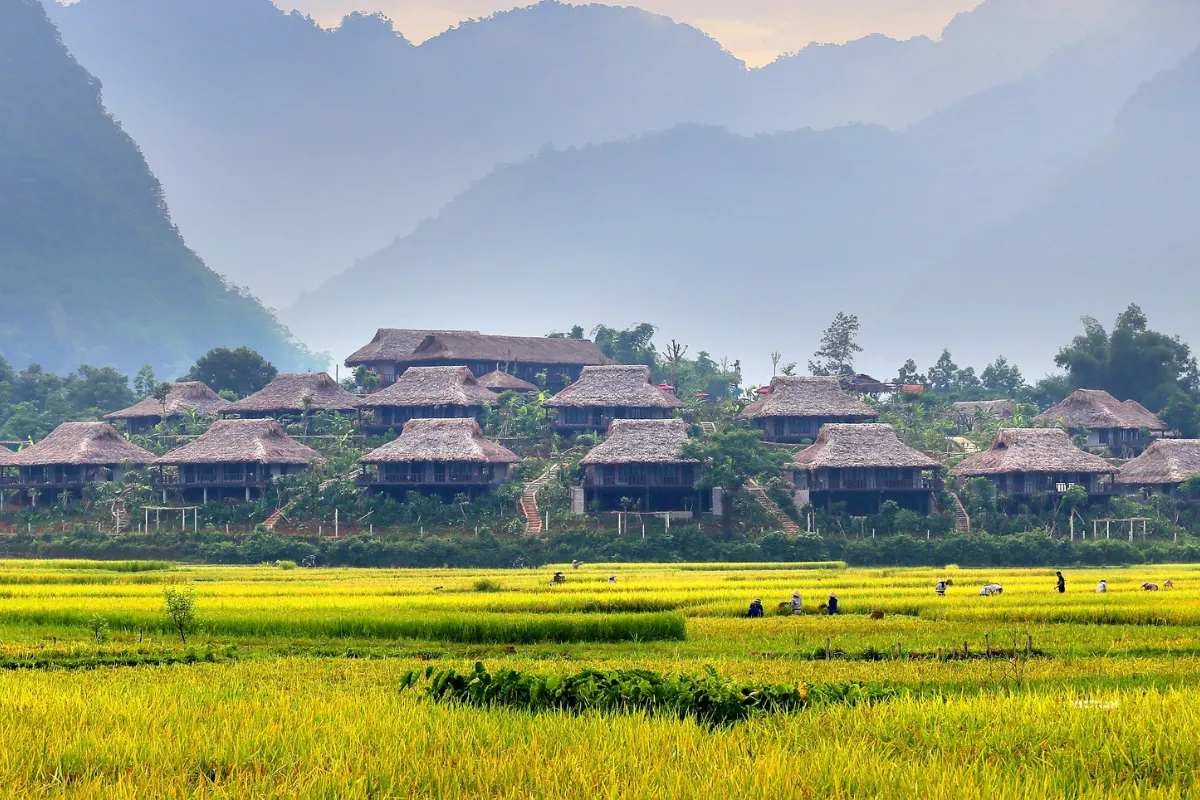
Not sure where to start? Vietnam offers flexible itineraries for 7, 10, or 14 days, whether you want a north-to-south journey, a food-focused trip, or a beach-and-culture combination. First-time visitors often begin with Hanoi or Ho Chi Minh City, then add highlights like Ha Long Bay, Hoi An, Hue, or the Mekong Delta.
Well-planned itineraries help you save time, manage travel distances, and avoid rushing.
People Also Ask
What visa do I need to travel to Vietnam?
Most visitors need a visa, but many nationalities can now apply for an e-Visa online and receive approval before flying. Allow at least 3–5 business days for processing.
When is the best time to visit Vietnam?
Best times are generally March–April and September–November when weather is mild across most regions, though each area has seasonal differences.
Is Vietnam safe for tourists?
Yes — Vietnam is considered safe for travelers, with low levels of violent crime. The most common issues are minor scams and traffic safety, so stay aware in crowded areas.
How much does it cost to travel in Vietnam?
Daily costs vary by style, but Vietnam is known for being budget-friendly, with cheap street food, affordable transport, and accommodation to fit every level.
What is the best way to get around Vietnam?
Options include domestic flights, trains, long-distance buses, and ride-hailing apps in cities. Motorbike rentals are popular but suit experienced riders.